%2Ffit-in%2F250x250%2Fguide_websites%2F55510%2Fimages%2F1759450061460chatgpt_image_oct_3__2025__08_06_07_am-removebg-preview.png&w=1920&q=100)
/users/5a323a96-e570-4e72-ac84-8fbba6997fdb/ratecard/546466425_1093551012892035_6014969061270937046_n-mga1a75u.jpg)
%2F300x300%2Fusers%2F5a323a96-e570-4e72-ac84-8fbba6997fdb%2Fratecard%2F546466425_1093551012892035_6014969061270937046_n-mga1a75u.jpg&w=256&q=75)
%2F300x300%2Fusers%2F5a323a96-e570-4e72-ac84-8fbba6997fdb%2Fimages%2Ffishing-cruises-oh-2655.jpg&w=256&q=75)
%2F300x300%2Fusers%2F5a323a96-e570-4e72-ac84-8fbba6997fdb%2Fimages%2Fbest-great-fishing-expedition-oh-2602.jpg&w=256&q=75)
%2F300x300%2Fusers%2F5a323a96-e570-4e72-ac84-8fbba6997fdb%2Fimages%2Fcruising-casting-conneaut-fishing-2424.jpg&w=256&q=75)
%2F300x300%2Fusers%2F5a323a96-e570-4e72-ac84-8fbba6997fdb%2Fimages%2Fcruises-fishing-conneaut-2665.jpg&w=256&q=75)
%2F300x300%2Fusers%2F5a323a96-e570-4e72-ac84-8fbba6997fdb%2Fimages%2Fsuccessful-fishing-conneaut-2481.jpg&w=256&q=75)
%2F300x300%2Fusers%2F5a323a96-e570-4e72-ac84-8fbba6997fdb%2Fimages%2Fanglers-fishing-adventure-oh-2617.jpg&w=256&q=75)
%2F300x300%2Fusers%2F5a323a96-e570-4e72-ac84-8fbba6997fdb%2Fimages%2Ffishing-conneaut-rainbow-trout-2604.jpg&w=256&q=75)
%2F300x300%2Fusers%2F5a323a96-e570-4e72-ac84-8fbba6997fdb%2Fimages%2Fcruising-fishing-adventure-ohio-2584.jpg&w=256&q=75)
%2F300x300%2Fusers%2F5a323a96-e570-4e72-ac84-8fbba6997fdb%2Fimages%2Fbest-cruising-fishing-conneaut-2587.jpg&w=256&q=75)
%2F300x300%2Fusers%2F5a323a96-e570-4e72-ac84-8fbba6997fdb%2Fimages%2Ffishing-cruises-conneaut-2593.jpg&w=256&q=75)
Lake Erie Walleye & Perch: Premium Fishing Trip
 Lake Erie
What you will be catching:
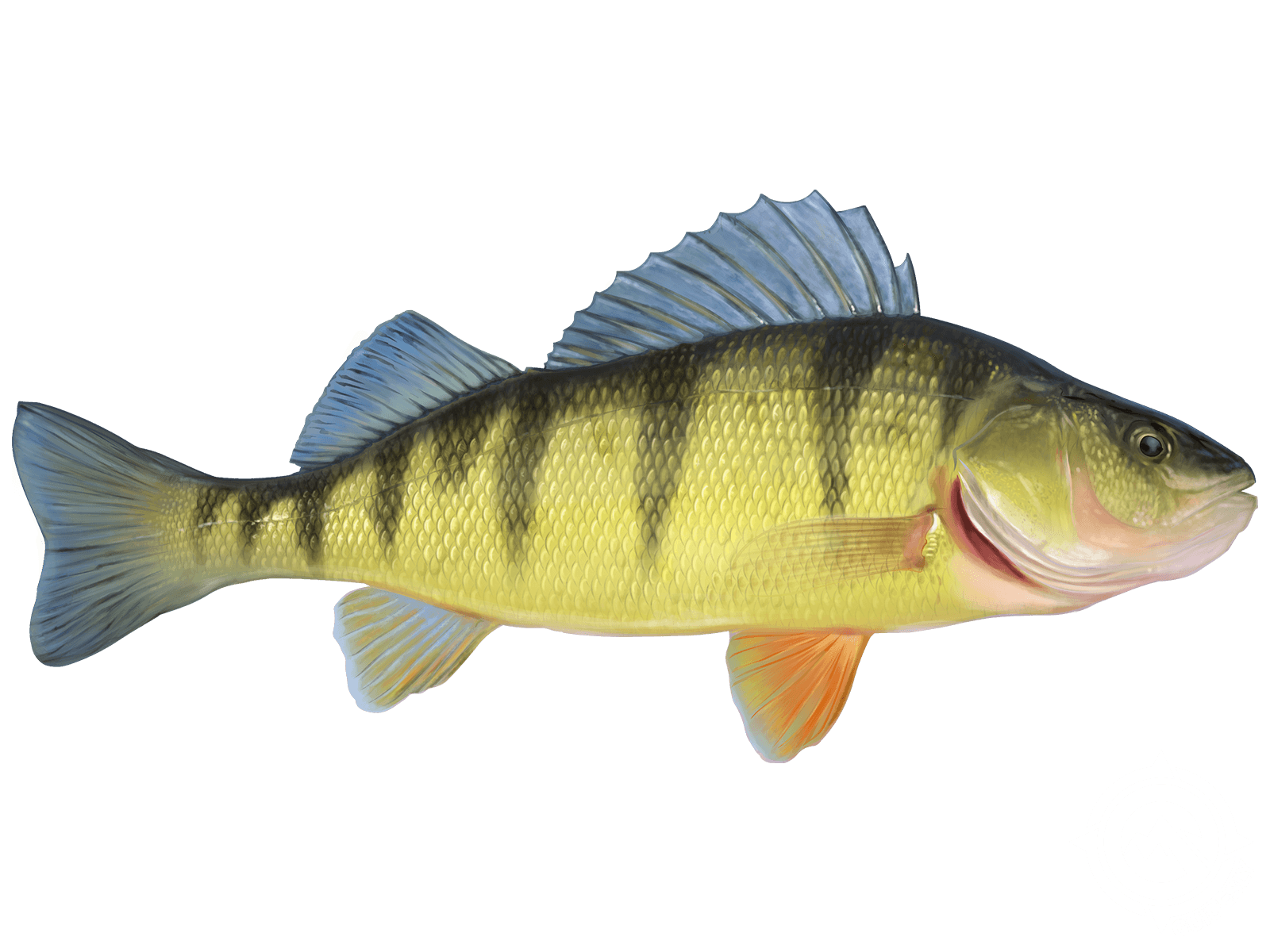
 American Yellow Perch
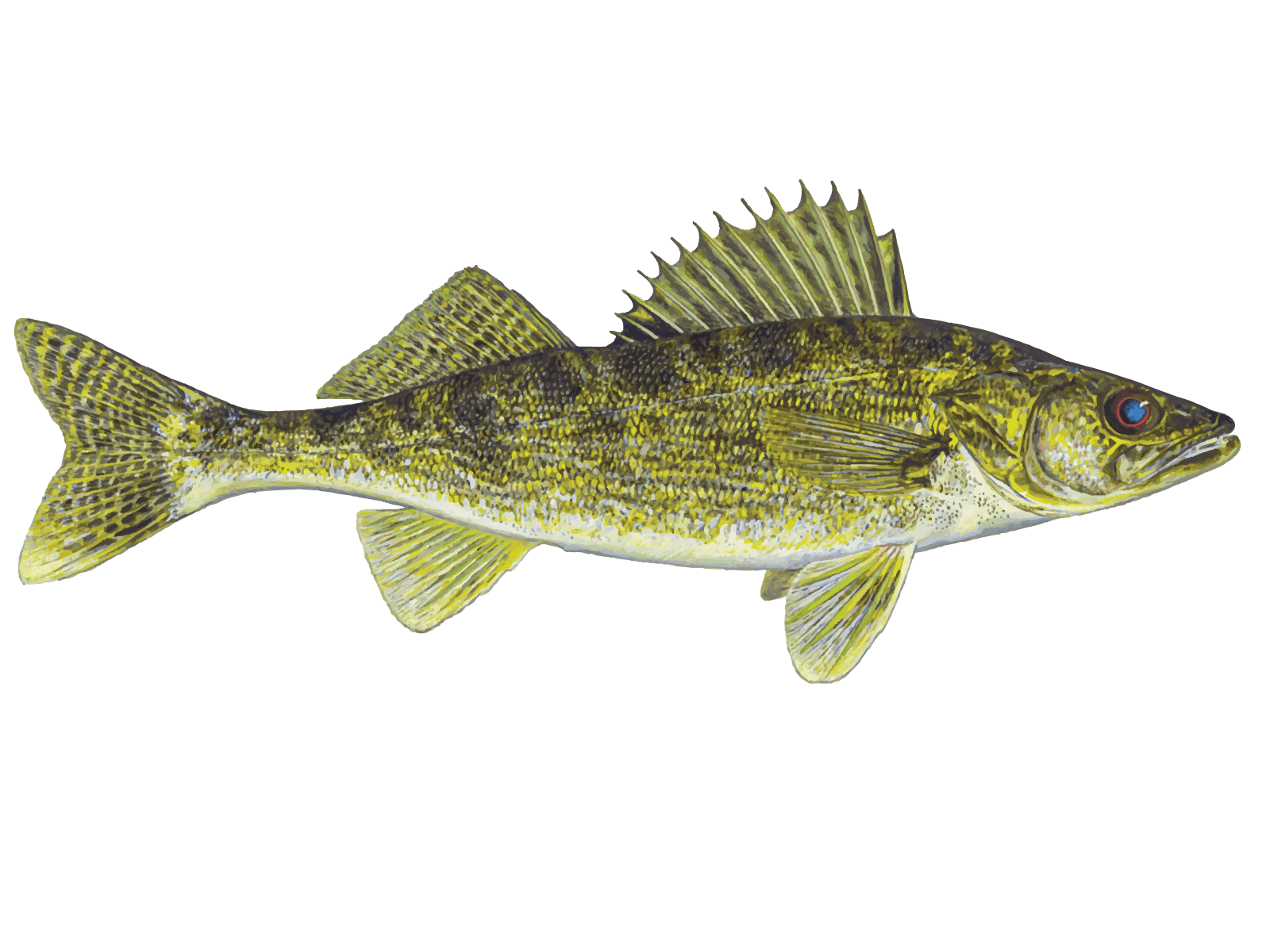
 Walleye
- 8-hour charter targeting walleye and yellow perch on Lake Erie
- Daily departures at 5:30 AM from September 15 through October 8
- Maximum 4 guests with tackle, bait, and instruction included
Trip Pricing and Availabilities:
Lake Erie Walleye and Yellow Perch Combo Trip
When the September bite kicks in on Lake Erie, you know it's time to get serious about fishing. This top-rated 8-hour charter gives you the best of both worlds – chasing trophy walleye or filling the cooler with yellow perch, depending on what's biting that day. Captain makes the call based on current conditions, so you're always fishing where the action is hottest. Starting at 5:30 AM sharp, you'll have the whole morning and early afternoon to work the most productive waters Lake Erie has to offer. Whether you're a weekend warrior or someone who's never held a rod, this trip delivers the goods with all gear included and plenty of hands-on instruction from the crew.
What to Expect on the Water
You're looking at a full day on one of the Great Lakes' premier fishing destinations, where the bite changes with the weather and the captain's job is reading those conditions like a book. Some mornings, the walleye are stacked up on the reefs and that's where we'll spend our time. Other days, the perch schools are so thick you can barely keep your line in the water long enough between fish. The flexibility here is what makes this charter special – you're not locked into one species or one spot. The boat can handle up to four anglers comfortably, so you've got room to move around and work different techniques without getting tangled up. Early departure means you'll beat most of the weekend traffic on the water and hit prime feeding times when fish are most active.
Techniques and Tackle
This is hands-on fishing that covers all the bases, from working artificial lures to drifting live bait depending on what the fish want that particular day. For walleye, you'll be learning bottom bouncers, spinner rigs, and how to feel the difference between a bite and bottom contact – skills that'll serve you well on any Great Lakes fishery. When the perch are cooperating, it's often a matter of finding the right depth and dropping spreader rigs loaded with emerald shiners or fathead minnows. The crew handles all the rigging and re-baiting, but they'll show you the tricks so you can fish more effectively on your own time. All rods, reels, tackle, and bait come with the trip, plus you'll get real instruction on reading your electronics and understanding what you're seeing down below.
Target Species You'll Want to Hook
Walleye are the crown jewel of Lake Erie fishing, and September through early October represents some of the year's most consistent action. These fish are putting on weight for winter, feeding aggressively on the abundant baitfish schools that migrate through Erie's western basin. A good Lake Erie walleye runs 2-4 pounds, but don't be surprised to hook into something pushing 6-8 pounds – those are the fish that make your drag sing and get your heart pumping. They're also some of the best eating freshwater fish you'll find, with firm white meat that's perfect for the frying pan. What makes walleye fishing so addictive is the subtle bite – you learn to detect the slightest tick or weight change, and suddenly you're connected to a fish that knows how to use the current and structure to its advantage.
Yellow perch might be smaller than walleye, but they make up for it with sheer numbers and non-stop action when you find a school. These striped fighters typically run 8-12 inches in Lake Erie, with the occasional jumbo pushing 13-14 inches – those big females are thick as your wrist and fight harder than you'd expect. Fall perch fishing is legendary on Erie because the fish are schooled up tight and feeding heavily before winter sets in. When you hit a good school, it's not uncommon to have multiple rods going at once, with fish coming over the rail every few minutes. Perch are also fantastic table fare, maybe even better than walleye in the opinion of many local anglers. Their sweet, flaky meat is perfect for fish fries, and a good day on the perch grounds means you'll be eating well for weeks.
Time to Book Your Spot
This world-class combo trip runs for a limited window from September 15 to October 8, hitting the absolute peak of fall fishing on Lake Erie. The captain's flexibility to target whichever species is biting best means you're getting maximum value from your time on the water, whether that's trophy walleye or a cooler full of perch. With only four spots available per trip and all gear included, this is the kind of charter that fills up fast once word gets around about the bite. Lake Erie's fall fishing window is short but incredibly productive – these are the weeks that local guides talk about all winter long. Don't sleep on this opportunity to experience two of the Great Lakes' most popular fisheries with a crew that knows these waters inside and out.
Learn more about the species
American Yellow Perch
Yellow perch are Lake Erie's most reliable catch - these golden fish with dark vertical stripes typically run 7-10 inches and travel in big schools. You'll find them around structure like weed beds, docks, and drop-offs in 15-30 feet of water. Fall fishing from September through October is prime time when they're fattening up for winter. What makes perch so popular is they bite consistently, fight scrappy for their size, and are hands-down some of the best eating fish in the lake. The white, flaky meat is sweet and mild - perfect for a fish fry. Pro tip: when you catch one perch, work that spot hard because where there's one, there's usually a whole school waiting underneath.
Walleye
Walleye are Lake Erie's crown jewel - these golden fish with the distinctive glassy eyes typically range from 14-20 inches, with some giants pushing 25-plus. They love rock piles, break lines, and weed edges in 20-40 feet during the day, moving shallow at dawn and dusk to feed. Fall is prime time when they're aggressive and feeding heavily before winter. Those big silver eyes aren't just for show - they see incredibly well in low light, making early morning and evening the best bite times. Walleye fight with steady runs and head shakes, but the real prize is on the plate. The firm, white meat is arguably the best-tasting freshwater fish around. Key tip: work your bait slow and steady along the bottom - walleye rarely chase fast-moving lures.
About the Makin' Memories
%2F%2Fusers%2F5a323a96-e570-4e72-ac84-8fbba6997fdb%2Fvehicle_picture%2F326301395_573886277936643_6915831202975345973_n1-mga02m8d.jpg&w=1920&q=75)
Vehicle Guest Capacity: 6
Manufacturer Name: Chevrolet Crusader
Maximum Cruising Speed: 35
Number of Engines: 2
Horsepower per Engine: 230